

Camping equipment: essentials from shorts trips to expeditions
6 minutes
Camping is a great way to slow down and disconnect from everyday life. Whether you’re heading out for a weekend getaway or a self-sufficient multiday expedition, having the right camping equipment is essential for a successful adventure.
To help you stay self-sufficient, comfortable, and safe, here’s a list of essential camping equipment to bring on your next outdoor trip.
Camping Sleep Systems
To sleep comfortably outdoors, make sure you choose gear suited to your needs.
Pay close attention to the R-value of sleeping pads, as well as the temperature rating and insulation of sleeping bags. Do you sleep on your side? Some sleeping pads are designed for different sleeping styles. If you’re camping as a pair, keep in mind that some sleeping bags can zip together to create a double sleeping bag.
Take the time to define your needs and visit a store to test the equipment before making your choice.
Here is a list of the essential camping sleeping equipment:
- Tent.
- Footprint.
- Sleeping bag.
- Sleeping pad.
- Pillow.

Camping Cooking Equipment
With the right equipment, it’s entirely possible to prepare great meals while camping. If you’re heading out for a few days and weight isn’t a concern, opt for a two-burner stove for more cooking flexibility.
Make sure you have a cooler to keep food fresh. For a short trip, you can bring fresh food, but it’s always handy to keep a few freeze-dried meals on hand.
Camping cooking gear can quickly become bulky, so focus on the essentials, such as:
- A pot with a strainer lid and a frying pan.
- A stove and fuel.
- A cutting board and knife.
- Plates, bowls, mugs, cups, and utensils based on the number of campers.
- A can opener, bottle opener, and corkscrew.
- A spatula and cooking tongs.
- A camp sink with a sponge and biodegradable soap.
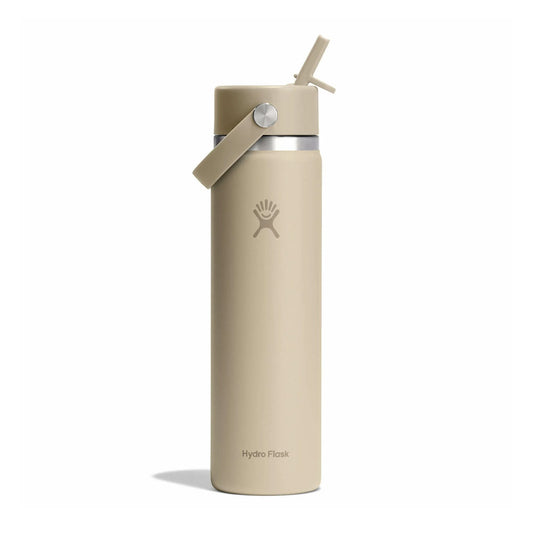
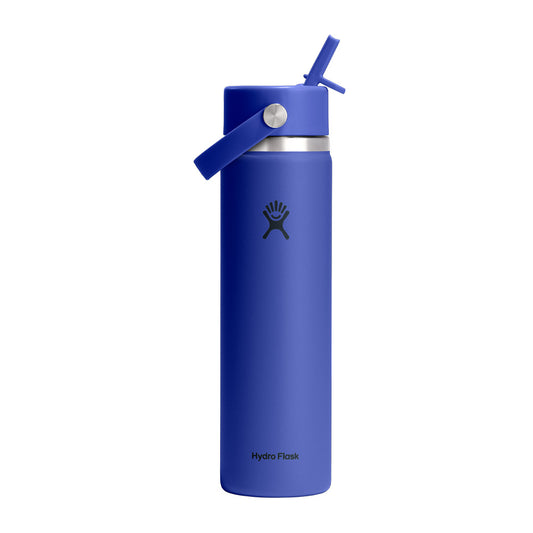
- Water bottles, a water reservoir, and a water filtration system.
- A coffee maker to start the day right.
- A cooler.
- Freeze-dried meals, fresh food, and non-perishable foods.
- Garbage bags so you don’t leave any trace.

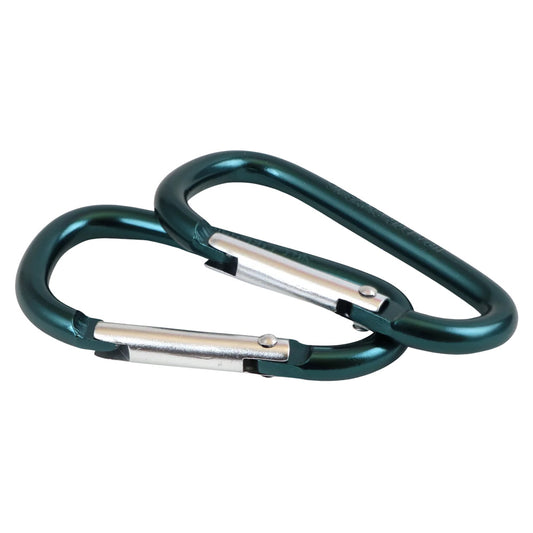
Camping Comfort Essentials
After a day of exploring, it’s always nicer to return to a comfortable campsite. Here are a few essentials to help you set up your space and fully enjoy your evenings outdoors:
- Camping chairs.
- A folding table if your campsite doesn’t have a picnic table.
- A hammock for relaxing.
- Lanterns to create a cozy atmosphere after sunset.

Camping Safety and Hygiene Essentials
Safety should never be overlooked when camping. Make sure you have the right equipment to handle unexpected situations and minor injuries.
Essential camping safety gear:
- Headlamp and flashlight.
- Spare batteries and a small power bank.
- First aid kit.
- Multi-tool.
- Map and compass.
- Repair kit for your tent, sleeping pad, and sleeping bag.
- Bug spray, bite relief cream, and sunscreen.
- Bear spray.
- Matches, a lighter, or fire starter.
- Firewood (check local fire regulations before heading out).
Even while camping, it’s important to maintain good hygiene. Whether you’re camping for one night or several days, this list will help you stay comfortable, even far from home:
- Toothbrush and biodegradable toothpaste.
- Biodegradable toilet paper.
- Biodegradable soap and shampoo.
- Biodegradable laundry detergent and cleaning products.
- Microfibre towels.
What equipment should you pack for a long camping trip?
Heading out for several days, or even several weeks, requires more preparation and self-sufficiency than a simple weekend camping trip. The essential gear mentioned above remains the same, but some items become even more important.
Organize your equipment so you can easily access essentials and quickly load and unload when you arrive at your campsite.
Make sure you always have enough food and a sufficient water supply. Plan your resupply points carefully so you never run out of what you need.

What equipment should you pack for a self-sufficient backcountry camping expedition?
If you’re planning a self-sufficient backcountry expedition, preparation and equipment selection become even more important, especially when it comes to weight.
For this type of adventure, choosing the right backpack is essential. Opt for a model suited to your gear and the length of your trip.
When it comes to clothing, prioritize lightweight, breathable layers that wick away moisture. Don’t forget a waterproof jacket, as well as a warmer layer such as a fleece or insulated jacket. Always check the weather forecast before you leave to avoid surprises.
For sleep systems, choose a tent, sleeping pad, and sleeping bag that are lightweight, compact, and designed for backpacking.
For cooking, stick to the essentials to avoid overloading your pack, such as a compact stove, multifunctional utensils, and collapsible plates, bowls, and cups.
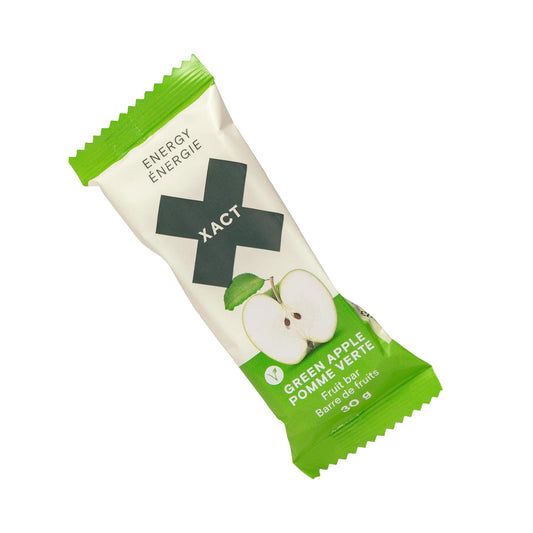
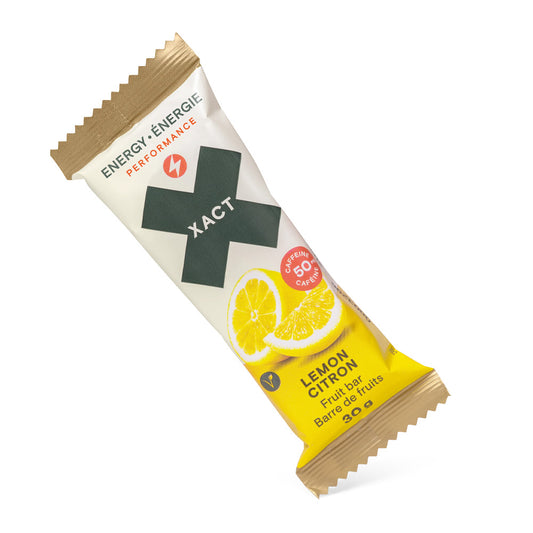
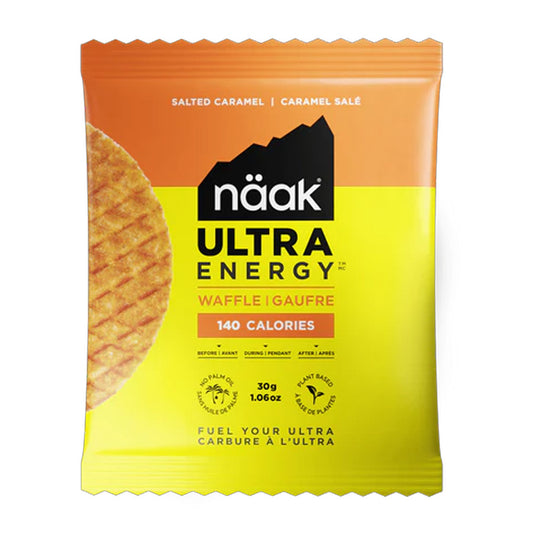
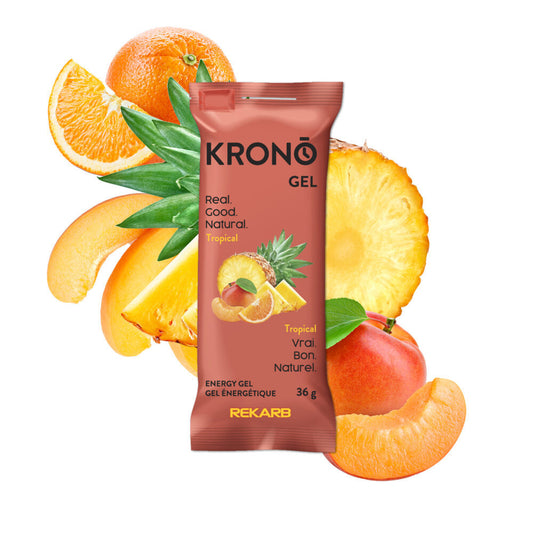
For meals, freeze-dried food is often the best option. It’s easy to prepare, tasty, nutritious, and lightweight. Don’t forget snacks, they’ll help you maintain your energy throughout the expedition.
When it comes to hydration, bring a water bottle as well as a water treatment system. In the backcountry, access to potable water is limited, and water collected in nature must be filtered and treated before drinking.
Safety is even more important in remote areas. In addition to the gear mentioned above, bring a GPS and a satellite communicator.
Now that your essential camping equipment checklist is complete, all that’s left to do is gear up and head out on your next adventure.
FAQ – Frequently Asked Questions About Camping
How do I choose a sleeping pad for camping?
Choosing the right sleeping pad depends on the level of comfort you want, the season, and the type of adventure you’re planning. For example, if you’re heading out on a backpacking expedition, you’ll want a lightweight, compact, and insulated sleeping pad to protect you from the cold ground. For a weekend camping trip where weight isn’t a concern, you can opt for a thicker pad for added comfort.
What is the difference between car camping and backpacking?
Car camping allows you to bring more equipment and prioritize comfort since weight is not a concern. Backcountry camping, or backpacking, on the other hand, requires lightweight, minimalist, and multifunctional equipment so you can carry all your essentials in a backpack.
How should I dress for camping?
To avoid getting too hot or too cold, use the layering system. This allows you to adapt easily to changing temperatures. Bring a waterproof jacket, an insulated jacket or fleece, as well as extra clothing to stay dry and comfortable.
Share this article
Explore more tips and advice

How to choose the right sleeping pad: the ultimate guide
Does the idea of sleeping under the stars comfortably seem impossible? With the right sleeping pad, it’s absolutely possible.

Discover Eastern Quebec by camping
Discover Quebec's nature: 6 camping spots between forests, yurts, the shores of the St.Lawrence, hiking, cycling, kayaking and starry nights.

How to gear up for winter camping?
How to gear up for winter camping: stay warm at night, dress in layers, eat well, and head out fully prepared.